
trades

A team of blue collar workers building on the roadside

28 Blue-Collar Workers’ Statistics

These blue-collar workers' statistics highlight the vital role skilled trades play in the economy. From construction and manufacturing to electrical work and welding, these careers provide essential services that keep our communities running. Exploring these numbers can help you understand the opportunities, wages, and future outlook available if you are considering a blue-collar career.

Key Statistics

Blue-collar work is practical, affordable, and rewarding. Here are some important numbers to consider: Read More »

A business owner speaking with a team member at their laptop

Entrepreneur vs. Business Owner: Key Differences

When comparing an entrepreneur vs a business owner, their differences are not always clear and can overlap depending on the person and context. As a very general overview, entrepreneurs are usually focused on innovation, launching new ideas, and taking bold risks, while business owners tend to prioritize stability, manage existing operations, and follow proven strategies.

What Is an Entrepreneur?

An entrepreneur is someone who starts and builds a business, taking on the necessary risks with the hope of earning a reward. They make key decisions and manage resources, making them responsible for the success of the idea.  Read More »

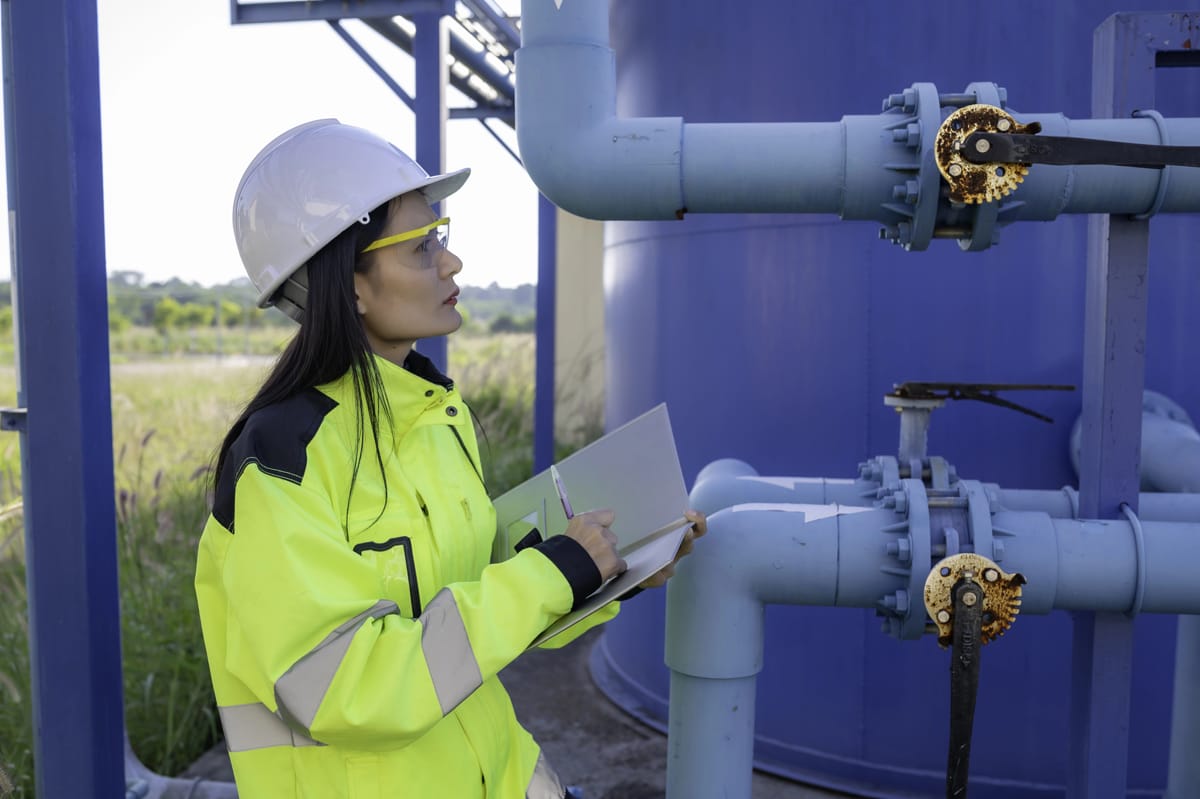
A wastewater operator checking the pipes of a plant

Is Water Supply a Good Career Path?

Yes, water supply is a solid and rewarding career path. It offers stable job opportunities, good pay, and the chance to make a real difference in your community. Many roles don’t require a college degree, and you can grow your career through training and certifications. With an aging workforce and constant demand for clean water, there’s a strong need for motivated people ready to learn and work hands-on.

In the sections below, you will find a more detailed breakdown of the question “Is Water Supply a Good Career Path?”. Read More »

Workers working in a warehouse

Is Warehouse Work Blue-Collar?

Warehouse work is generally considered blue-collar because it involves physical labor and hands-on tasks. Some responsibilities of warehouse workers include picking and moving merchandise, counting and stocking inventory, and packing orders for shipment.

Why Is Warehouse Work Considered Blue Collar?

Warehouse work can be considered blue-collar, but it depends on the specific role. Jobs that involve physical labor, such as loading and unloading, packing, or sanitation, clearly fall into the blue-collar category, as they require manual effort and practical skills. Read More »

An unreliable employee relaxing at their desk with a pillow and their feet up

13 Tips on How to Handle Unreliable Employees

Unreliable employees are characterized by being unpunctual, missing deadlines, having poor communication, and disregarding rules. These employees can impact morale and business performance. Some ways to handle these employees include honest conversations, communicating standards, and creating a friendly work environment.

What is The Best Way to Handle Difficult Employees?

As a successful entrepreneur with multiple businesses, I’ve found that what may look like unreliable behavior from an employee is often a matter of miscommunication or unclear expectations. Many difficult employees are actually extremely capable people who just need the right leadership to thrive. Read More »

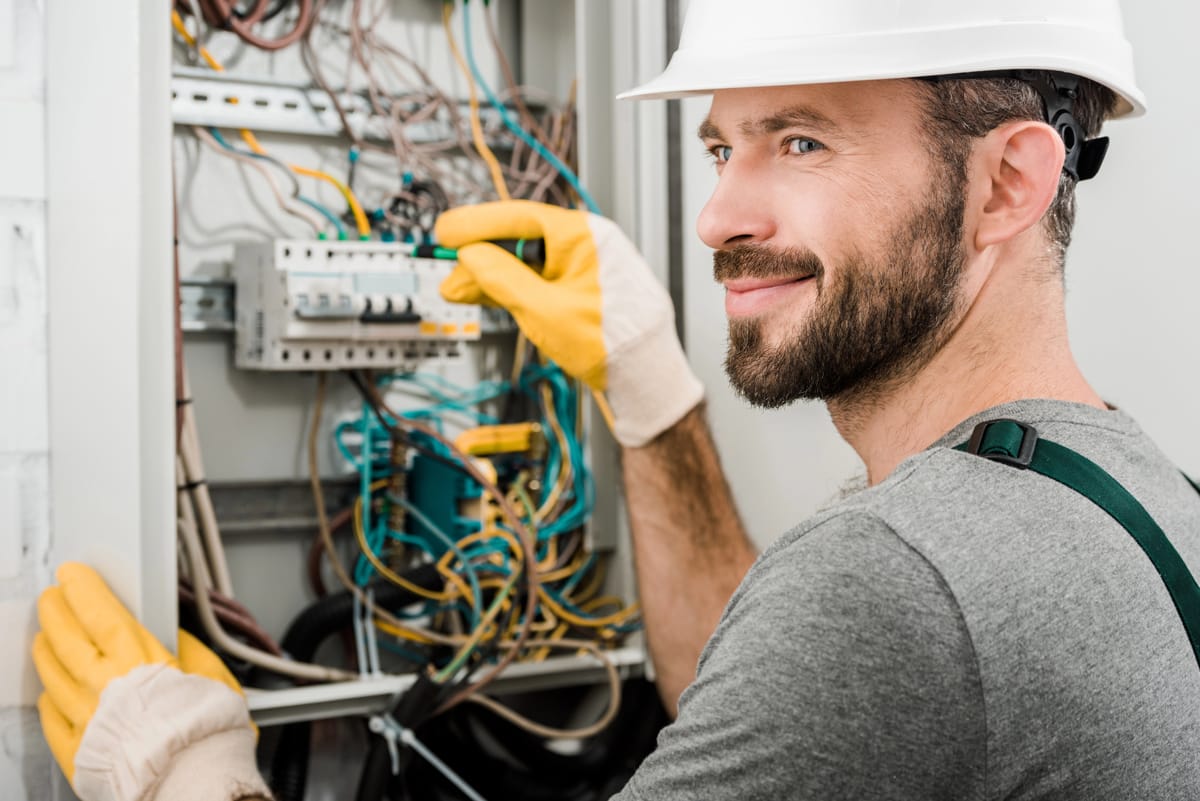
An electrician working

Are Electricians Blue Collar?

Electricians are considered blue-collar workers because their daily tasks involve physical manual labor. Electricians can be classified as skilled labor since most professionals learn the necessary skills for the job through training programs and apprenticeships.

Why are Electricians Considered Blue-Collar?

Electricians are classified as blue-collar workers because their work involves manual labor in out-of-office settings such as residences, restaurants, and factories. Read More »

A concept image of a person at a desk with "Leadership" on it

Employee Empowerment – Create Entrepreneurial Employees Who Own Their Success

Employee empowerment isn’t just a trendy buzzword—it’s a game-changer for businesses and employees alike. A truly empowered team doesn’t just show up to work; they take ownership of their roles, make smart decisions, and drive success as if they were running their own business.

Too many companies focus only on what employees can do for them. But the best workplaces flip that mindset—what can the business do to help employees succeed in their own lives? Read More »

A photo of a tradesperson holding tools and components in front of a blue background

How to Get Into Trade Jobs – Finding Your Career

Hello and welcome to all aspiring tradespeople! If you're exploring how to get into trade jobs, you've arrived at the perfect starting point. In an era where college degrees are often seen as the default route, considering a career in the trades presents a refreshing and practical alternative. Whether it's the appeal of hands-on work, the quest for a tangible and skilled profession, or the practical decision to steer clear of substantial student debt, your interest in the trades is a step towards a rewarding career path.

Ready to figure out where to get started? Let’s dive into the essential steps to embark on a career in trade jobs. From selecting the right trade that sparks your enthusiasm to acquiring the necessary training and qualifications, we'll cover all the crucial aspects in a quick and easy read. Read More »

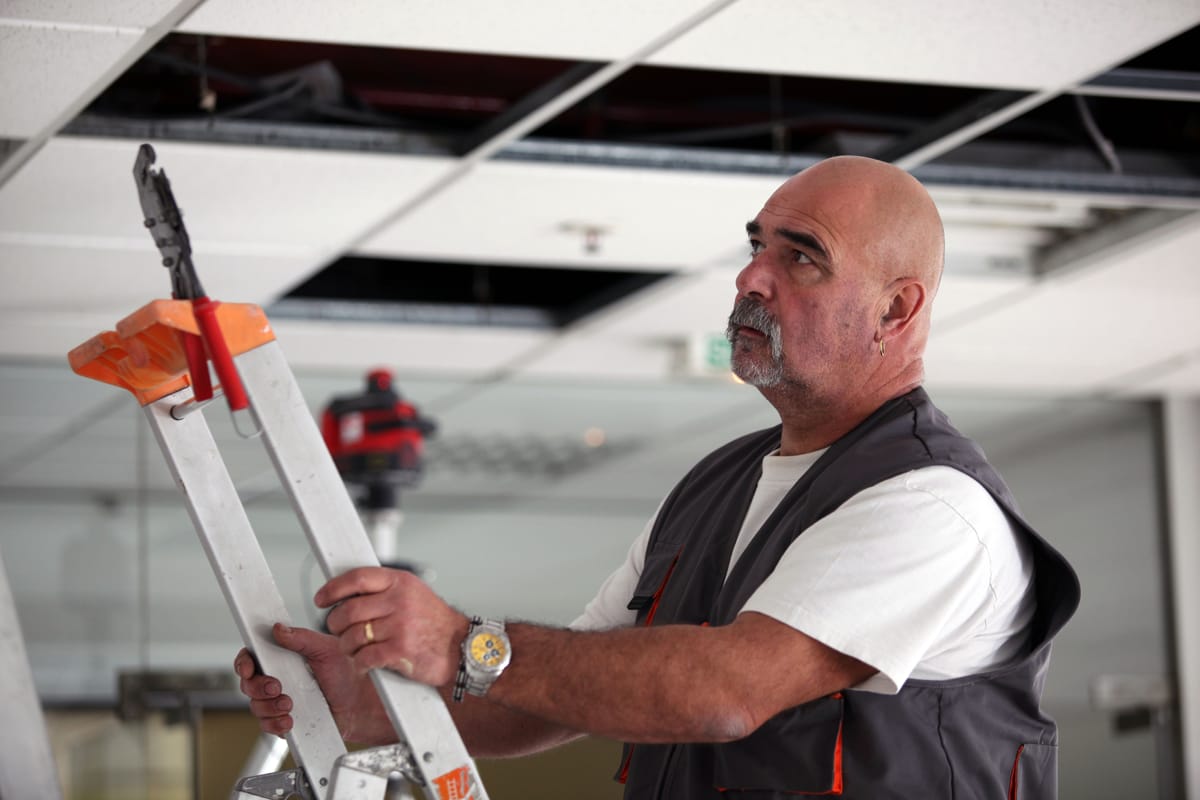
A skilled tradesman working on a ladder

The Skilled Tradesmen Shortage: Why It’s Happening and How We Can Fix It

What happens when the people we rely on the most are no longer regularly available? The skilled tradesmen shortage. Across industries like construction, plumbing, electrical work, welding, and HVAC, there just aren’t enough men and women to keep up with demand. Millions of jobs are sitting unfilled, while older workers are retiring at record rates. Meanwhile, younger generations aren’t stepping in to replace them fast enough.

This growing gap isn’t just bad for the workers and businesses involved—it’s affecting the entire economy. Housing costs are rising, infrastructure projects are delayed, and companies are struggling to keep up with demand. The worst part? These are high-paying, stable careers that don’t require massive student loan debt. Yet, for some reason, they’re not attracting new talent like other careers. Read More »

Person holding hard hat wondering how to get into construction jobs

How to Get Into Construction – A Reliable Career Path Without College

If you're seeking a practical, reliable career without taking the traditional route of attending college, learning how to get into construction might be the perfect solution. Construction offers steady work, strong earning potential, and opportunities for growth—without requiring a degree.

This guide will show you exactly how to break into the field, even with no experience, and build a successful career. Read More »